Kitchen fire suppression systems in Qatar is a critical safety requirement for commercial kitchens operating under extreme conditions such as high heat, open flames, grease buildup, and continuous activity. These factors make restaurants, hotels, cafeterias, and catering facilities some of the most fire-prone environments in any building. Implementing proper fire safety measures is essential not only to protect lives and valuable property but also to ensure full compliance with Qatar Civil Defence Department (QCDD) regulations.
Installing a kitchen fire suppression system in Qatar is not optional it is a legal and operational necessity. In this blog, we explain how kitchen fire suppression systems work, why they are critical for hospitality businesses, why NFPA 17A matters, and how professional fire protection companies like Filcom Fire International help ensure compliance and safety.
Why Commercial Kitchens Are High-Risk Fire Zones
Commercial kitchens face unique fire hazards, including:
- Open flames from gas burners
- High-temperature cooking equipment
- Grease-laden vapors in exhaust hoods
- Electrical appliances operating continuously
- Human error during busy service hours
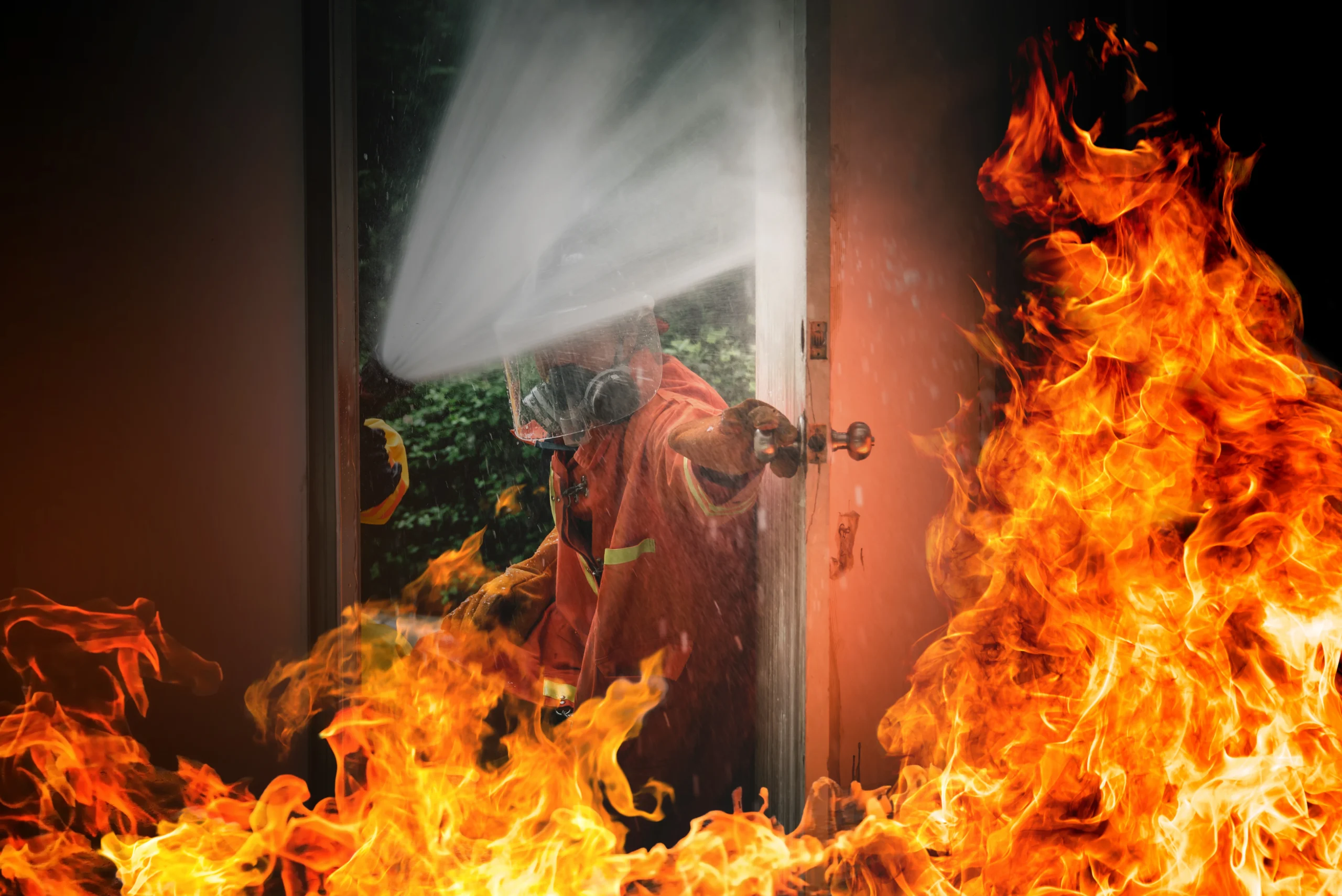
Most restaurant fires originate in cooking areas, and grease fires spread extremely fast if not controlled immediately. This makes automatic kitchen fire suppression systems essential for protecting people, property, and business continuity.
What Is a Kitchen Fire Suppression Systems?
A kitchen fire suppression system is an automatic fire protection solution designed specifically for commercial cooking environments. It detects fires at their earliest stage and releases a wet chemical agent that:
- Suppresses flames instantly
- Cools hot surfaces to prevent re-ignition
- Creates a foam-like layer over burning grease
- Automatically shuts off gas or electrical supply
These systems are typically installed inside kitchen exhaust hoods and ducts, directly above cooking equipment.
NFPA 17A: The Standard Behind Kitchen Fire Suppression
When planning fire protection for commercial kitchens, one of the most referenced international standards is NFPA 17A — “Standard for Wet Chemical Extinguishing Systems.” This standard outlines:
- Design and installation requirements for wet chemical systems
- Performance criteria to ensure reliable fire suppression
- Inspection, testing, and maintenance procedures
Compliance with NFPA 17A ensures that installations are not only effective but also consistent with globally recognized fire safety practices. Many QCDD-approved systems in Qatar are designed and tested to meet or exceed this standard.
Recommended System: Defender Kitchen Hood Wet Chemical System
For superior protection, many restaurants and hotels in Qatar choose the Defender kitchen hood wet chemical system. This brand is known for:
- NFPA 17A-compliant design
- Fast and reliable fire detection and suppression
- Integration with gas valve shut-off and fire alarm systems
- Low risk to kitchen staff and minimal cleanup after discharge
The Defender system is suitable for a wide range of commercial kitchens — from small cafés to large hotel kitchens.
Types of Kitchen Fire Suppression Systems Used in Qatar
The most widely approved and effective system in Qatar is the Wet Chemical Fire Suppression System, which is:
- QCDD-approved
- Suitable for Class K (cooking oil and grease) fires
- Safe for use around food preparation areas
Modern systems like the Defender kitchen hood wet chemical system integrate seamlessly with fire alarms and can trigger alerts immediately upon discharge.
Why Kitchen Fire Suppression Systems Are Mandatory in Qatar
The Qatar Civil Defence Department (QCDD) mandates fire suppression systems for:
- Restaurants and cafés
- Hotel kitchens
- Industrial catering facilities
- Food courts and malls
- Hospital and school kitchens
Without proper installation and certification, businesses may face:
- Fines and penalties
- Delays in trade license approvals
- Forced closure of premises
- Insurance claim rejection
Key Benefits for Restaurants and Hotels
1. Immediate Fire Control
Automatic activation ensures the fire is suppressed before it spreads, even when staff are not present.
2. Protection of Lives and Property
Early suppression minimizes damage, prevents injuries, and avoids major business disruptions.
3. Compliance With Qatar Fire Regulations
QCDD-approved systems designed to NFPA 17A standards ensure your business meets local laws and international best practices.
4. Reduced Insurance Risk
Many insurers require certified fire suppression systems like Defender for commercial kitchens.
5. Business Continuity
Fast fire control enables quicker cleanup and minimal downtime.
Installation and Maintenance Requirements
A kitchen fire suppression system must be:
- Designed according to the kitchen layout
- Installed by a QCDD-approved fire protection company
- Integrated with gas shut-off and fire alarm systems
- Tested and commissioned before final approval
Regular inspections and servicing are mandatory under NFPA 17A and QCDD rules, which is why many businesses choose an Annual Maintenance Contract (AMC).
Why Choose Filcom Fire International?
Filcom Fire International is a trusted firefighting company in Qatar, offering:
- QCDD-approved kitchen fire suppression systems (including Defender)
- NFPA 17A-compliant system design and installation
- Wet chemical fire suppression for commercial kitchens
- Fire alarm and gas shut-off integration
- AMC and periodic inspection services
With extensive experience across restaurants, hotels, and industrial kitchens, Filcom ensures full compliance and long-term fire safety.
Best Practices for Kitchen Fire Safety
In addition to installing fire suppression systems, businesses should:
- Clean grease filters and exhaust ducts regularly
- Train kitchen staff on fire safety procedures
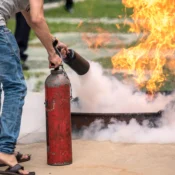
- Keep portable fire extinguishers accessible
- Conduct routine fire drills
- Schedule periodic professional inspections
For broader fire safety guidance, refer to international kitchen fire safety standards such as NFPA guidelines, especially NFPA 17A.
Conclusion
Kitchen fires can escalate within seconds, but with a certified kitchen fire suppression system in Qatar especially a Defender kitchen hood wet chemical system — restaurants and hotels can operate safely and confidently. Compliance with QCDD regulations, NFPA 17A standards, professional installation, and regular maintenance are essential to protecting lives, property, and business reputation.
If you operate a commercial kitchen in Qatar, now is the time to invest in reliable fire suppression solutions from an experienced provider like Filcom Fire International