Fire Guard Supplier in Qatar
Filcom Fire International is an authorized Fire Guard supplier in Qatar, delivering UL-listed, FM-approved water-based fire protection components, wet system alarm valves, zone control valves, deluge valves and the full range of isolation valves for sprinkler and hydrant networks across Qatar.
| Brand Fire Guard | Standard NFPA 13 / 24, UL / FM | Approval QCDD Qatar | Supplier Since 2010 |
Why Contractors in Qatar Choose Filcom as Their Fire Guard Supplier
Wet system valves, zone control valves and isolation valves are the components that make a sprinkler network controllable, testable and inspectable, not just installed. Filcom Fire has supplied water-based fire protection components in Qatar since 2010, working with MEP consultants and contractors to get valve schedules approved and installed without holding up handover.
QCDD-Approved Components
Matched to Your Valve Schedule
Locally Stocked, Fast Turnaround
How Water-Based System Components Work Together
A sprinkler network isn’t one product; it’s a chain of valves and devices that each play a specific role from standby through to shutoff. Here’s the sequence in a typical wet system:
- Standby — Isolation valves (OS&Y or NRS gate valves) are held open, keeping the riser charged with pressurized water ready to flow.
- Sprinkler activation — A sprinkler head opens on heat and water begins to flow into the piping downstream of it.
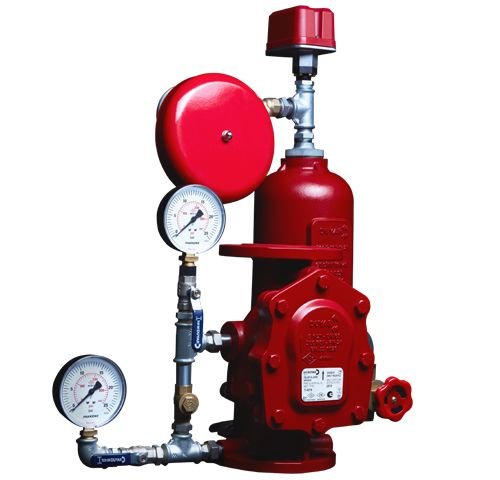
- Alarm valve opens — The wet system alarm (check) valve senses the flow, opens fully and triggers the water motor gong and pressure switch.
- Zone isolation — The zone control valve for that floor or area can be identified and shut independently, without draining the whole building's system.
- Maintenance shutoff — Butterfly and ball valves at test/drain points allow inspection, draining and testing without disturbing the rest of the network.
Where These Components Are Used in Qatar
- High-rise residential & commercial towers
- Warehouses & logistics facilities
- Hotels & hospitals
- Shopping malls & mixed-use developments
- Industrial plants & high-hazard areas
- Villas & compounds with hydrant networks
Wet vs. Deluge Systems
Wet systems keep water charged in the pipe at all times, released only where a sprinkler activates. Deluge systems use open nozzles with the deluge valve normally shut, releasing water across the entire protected area at once when detection triggers, used for high-hazard risks needing rapid, total coverage.
Fire Guard Water-Based Components Filcom Supplies
The full range of valves and devices that make up a sprinkler and hydrant network:
- Wet System Alarm Valves
- Zone Control Valves
- Deluge Valves
- OS&Y Gate Valves
- NRS Gate Valves
- Butterfly Valves
- Ball Valves
- Check Valves
- Retard Chambers
- Water Motor Gongs
- Pressure Switches & Gauges
- Test & Drain Assemblies
Isolation Valve Types — Which One Goes Where?
A single riser typically uses more than one isolation valve type. Here’s what each is actually specified for:
Valve Type | Position Indication | Typical Location | Best For |
OS&Y Gate Valve | Visible rising stem shows open/closed | Main risers, underground/outdoor mains | Full isolation where visual confirmation is required |
NRS Gate Valve | Non-rising stem, tamper switch typically fitted | Indoor risers, restricted headroom | Full isolation in tight plant rooms |
Butterfly Valve | Indicating handle or gearbox position | General isolation, larger diameter lines | Quick, lightweight shut-off |
Ball Valve | Handle position | Trim kits, test/drain, gauge connections | Small-bore isolation on valve trim |
Standards We Design and Supply To
| Standard / Approval | Description |
|---|---|
| NFPA 13 | Governs the design and installation of automatic sprinkler systems — the base standard behind valve selection and zoning. |
| UL / FM | Product listing and approval confirming valve construction and performance meet independent test standards. |
| NFPA 24 | Covers private fire service mains and their appurtenances, including underground isolation valves. |
| QCDD | Qatar Civil Defence Department approval, required locally before any water-based system can be signed off. |
Water-Based Fire System Terms Explained
Quick reference for terms that show up on valve schedules and consultant specs.
Alarm Check Valve
Zone Control Valve
Retard Chamber
OS&Y
NRS
Tamper Switch
Frequently Asked Questions (FAQ)
A wet system alarm valve is a one-way clapper valve installed in the sprinkler riser. It holds pressurized water in standby and opens fully when a sprinkler activates, allowing water to flow while triggering the water motor gong and pressure switch alarms.
An OS&Y valve has a stem that rises visibly outside the body when open, giving an at-a-glance position check. An NRS valve’s stem doesn’t rise externally, which suits tighter spaces and its position is typically confirmed with a tamper switch instead.
A zone control valve lets a specific floor or area of a sprinkler system be shut off and tested independently, without draining or disabling protection for the rest of the building.
Yes. Fire Guard valves supplied by Filcom Fire are UL-listed and FM-approved and Filcom manages the documentation and submittal process required for QCDD approval on each project.
Get Your Valve Schedule Quoted
Send us your drawings or valve schedule; we’ll confirm sizes, pressure ratings and QCDD documentation needed before you commit.
Talk to a Fire Guard Supplier You Can Rely On
Share your project’s flow and pressure requirements, Filcom Fire will size the pump set and confirm QCDD approval steps.