Why Fire Extinguisher Servicing Is Important: Inspection Checklist
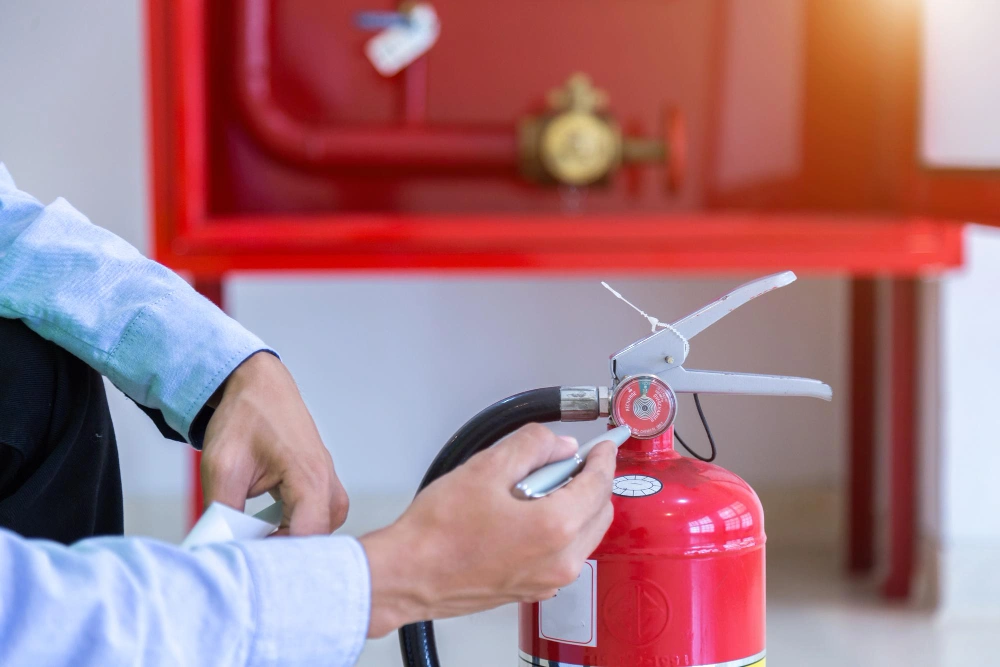
Fire safety is a responsibility every building owner, facility manager, and business must take seriously. While fire alarms, sprinklers, and suppression systems help detect and control fire incidents, fire extinguishers remain the fastest, most accessible first-response tool in an emergency. But a fire extinguisher can only save lives and property when it is properly maintained. This is why Fire Extinguisher Servicing is a critical part of any fire safety plan.
Many extinguishers look perfectly fine from the outside, but internal pressure loss, corrosion, expired chemicals, blocked hoses, or damaged mechanisms can prevent them from working when needed. Regular servicing ensures the extinguisher is always ready to perform effectively. For companies in Qatar, Filcom Fire International provides certified servicing, inspections, annual maintenance contracts, and complete fire protection solutions that help businesses stay compliant and safe.
Why Fire Extinguisher Servicing Matters
1. It Ensures the Extinguisher Works During a Fire
The main purpose of Fire Extinguisher Servicing is to make sure your extinguisher will work without failure during an emergency. Servicing includes checking:
- Pressure levels
- Nozzle blockages
- Hose flexibility
- Weight accuracy
- Tamper seal and safety pin
- Agent quantity and quality
Even minor issues can lead to failure during discharge. A properly serviced extinguisher allows quick action, preventing a small fire from turning into a catastrophic loss.
2. Required for Fire Safety Compliance in Qatar
In Qatar, the Qatar Civil Defence (QCDD) requires extinguishers to be regularly inspected, serviced annually, and maintained by certified fire companies. If extinguishers are not serviced:
- Properties can fail safety inspections
- QCDD approvals may get delayed or rejected
- Businesses can face penalties
- Insurance claims may be denied during fire incidents
Filcom Fire International offers QCDD-approved fire extinguisher inspection and servicing that helps you meet all compliance requirements.
3. Extends the Life of the Fire Extinguisher
Just like any piece of safety equipment, extinguishers degrade over time. Internal corrosion, slow leaks, weakened valves, and expired chemicals can reduce lifespan. Regular servicing identifies issues early and prevents costly replacements.
Fire Extinguisher Servicing includes:
- Valve and O-ring replacement
- Checking internal components
- Refilling or recharging agents
- Cleaning and rust removal
- Replacing damaged parts
This ensures your extinguishers remain safe, reliable, and durable for years.
4. Helps Maintain Insurance Validity
Most insurance companies require proof of annual Fire Extinguisher Servicing as part of their fire safety compliance. If a fire occurs and extinguishers were not maintained, the insurance company may:
- Reject the claim
- Reduce compensation
- Hold the owner liable for negligence
Having a certified servicing report protects your business legally and financially.
5. Reduces Risk and Protects Lives
Fire extinguishers are often the first tool used during a fire. A functional extinguisher can stop the spread of flames before they reach critical areas. Proper servicing helps reduce:
- Injuries or fatalities
- Damage to property and stock
- Operational downtime
- Repair and replacement costs
Fire Extinguisher Servicing ensures that your building is always prepared and protected.
Fire Extinguisher Inspection Checklist
A thorough inspection must be done regularly to ensure safety and compliance. Below is the essential Fire Extinguisher Servicing checklist used by certified technicians.
1. Check Location and Accessibility
- Extinguishers must be in their assigned positions
- Should be easily visible and reachable
- No obstructions blocking access
- Mounted at the correct height
2. Physical Condition Examination
Inspect for physical damage such as:
- Dents or cracks
- Corrosion or rust
- Leakage
- Broken or missing handles
- Loose components
Any damaged extinguisher should be immediately serviced or replaced.
3. Pressure Gauge Verification
The green zone is where the pressure gauge needle should be. If it’s too low or too high, the extinguisher must be recharged. CO₂ extinguishers, which don’t have a gauge, are weighed to confirm agent levels.
4. Hose and Nozzle Check
Technicians inspect:
- Hose flexibility
- No cracks or holes
- No blockages
- Nozzle cleanliness
A blocked or damaged hose reduces discharge effectiveness.
5. Label & Instructions Visibility
The label must be readable and include:
- Usage instructions
- Extinguisher type
- Safety warnings
If the label is faded or damaged, it must be replaced.
6. Expiry and Manufacturing Date Inspection
Each extinguisher has a servicing lifetime:
- Dry Chemical: Annual service, pressure test every 5 years
- CO₂: Annual service, pressure test every 10 years
- Foam: Annual service, pressure test every 5 years
- Clean Agent: Annual service, periodic testing as required
This ensures extinguishers remain safe and effective.
7. Internal Examination by Certified Technicians
A detailed internal inspection includes:
- Opening the extinguisher
- Checking internal surfaces for corrosion
- Replacing internal components
- Refilling or recharging the extinguishing agent
- Performing hydrostatic pressure testing
Only trained professionals should conduct this step.
8. Tagging and Documentation
After servicing, the extinguisher is tagged with:
- Service date
- Technician details
- Next service due date
A detailed report is provided for compliance and records.
Final Thoughts
Fire Extinguisher Servicing is not just a formality—it is a vital part of protecting lives, property, and business continuity. Regular servicing ensures compliance with safety regulations, improves extinguisher reliability, and prepares your building for any fire emergency.
For trusted, certified, and professional servicing, inspection, and fire safety solutions, Filcom Fire International provides complete fire protection support tailored to homes, businesses, and industries.
Recent Posts
Smart Fire Alarm Systems | The Future of Fire Safety in Qatar
Room Integrity Testing in Qatar: Ensuring Safety for Data Centers and Server Rooms