Top Causes of Electrical Fires in Commercial Buildings
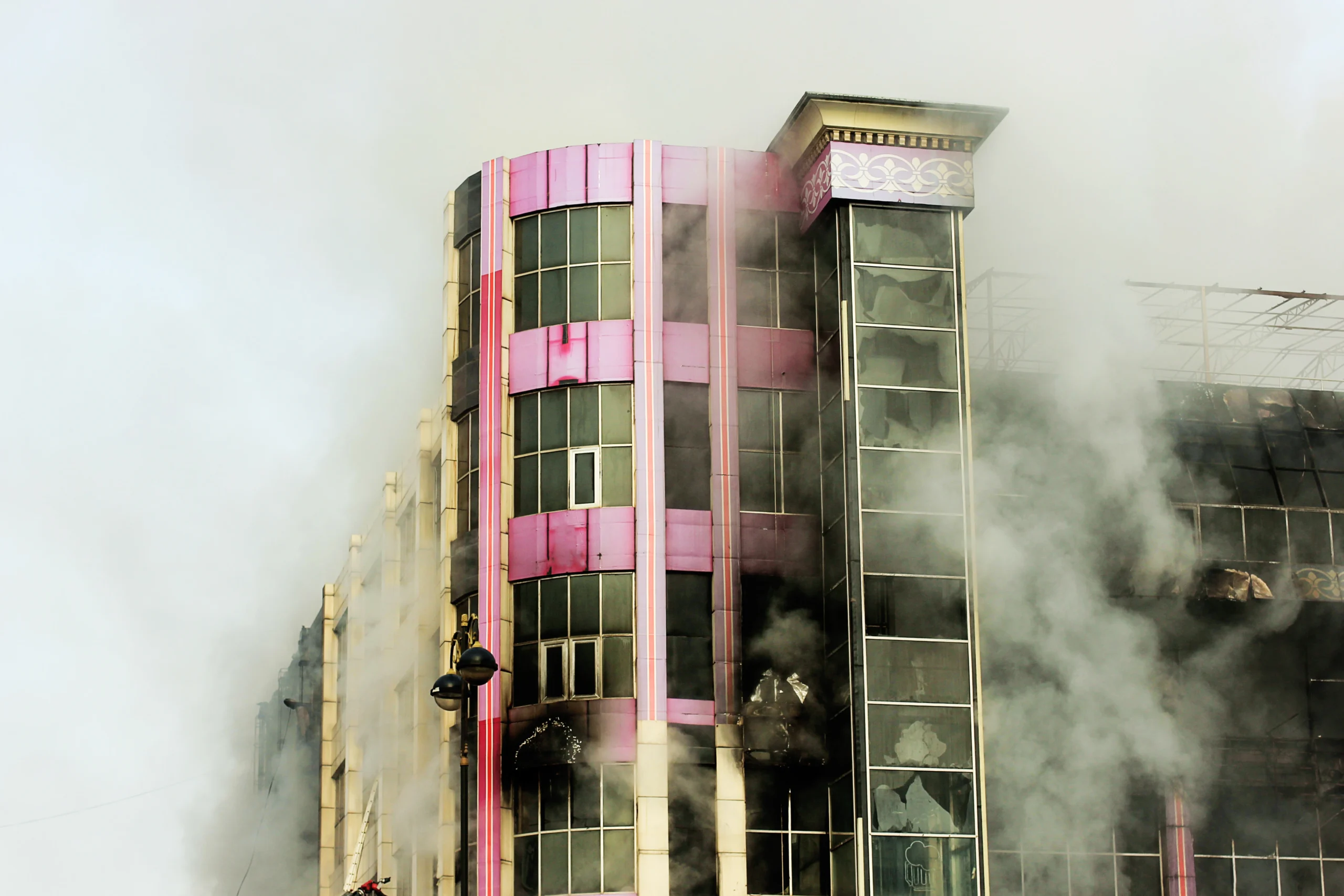
Electrical fires are among the most dangerous hazards faced by commercial buildings today. Offices, warehouses, shopping malls, hotels, restaurants, hospitals, and industrial facilities all depend heavily on electrical systems to support daily operations. However, when electrical systems are poorly maintained or overloaded, they can quickly become serious fire risks.
In a rapidly developing country like Qatar, businesses are investing more in fire safety and preventive maintenance to protect employees, customers, equipment, and infrastructure. Understanding the common causes of electrical fires can help businesses take proactive steps to improve workplace safety and avoid costly damage.
Professional fire protection providers such as Filcom Fire help businesses implement advanced fire alarm and suppression systems that reduce fire risks and improve emergency response.
Why Electrical Fires Are Common in Commercial Buildings
Commercial buildings consume large amounts of electricity every day. HVAC systems, lighting, computers, elevators, kitchen appliances, industrial machinery, and data systems all place heavy loads on electrical networks.
Without proper inspections and maintenance, electrical components can overheat, spark, or fail. Electrical fires often start silently behind walls, ceilings, or equipment rooms, making early detection extremely important.
Businesses that neglect electrical safety may face:
- Property damage
- Operational downtime
- Financial losses
- Legal liabilities
- Injuries and safety risks
This is why preventive fire safety measures are essential for every commercial property.
The Main Reasons for Electrical Fires in Business Structures
1. Faulty or Outdated Wiring
Old or damaged electrical wiring is one of the leading causes of commercial electrical fires. Over time, wires can deteriorate due to heat, moisture, dust, corrosion, or physical wear.
Older buildings may also have outdated wiring systems that cannot handle the electrical demands of modern commercial equipment.
Warning signs of faulty wiring include:
- Flickering lights
- Burning smells
- Frequent breaker trips
- Sparking outlets
- Discolored switches
- Warm electrical panels
If ignored, faulty wiring can overheat and ignite nearby materials.
Regular electrical inspections help identify hidden wiring problems before they become dangerous. Following international safety standards from NFPA is essential for maintaining safe commercial environments.
2. Overloaded Electrical Circuits
Commercial buildings often operate multiple high-power devices at the same time. When too many appliances are connected to one circuit, the system can overheat and cause fires.
Overloaded circuits are especially common in:
- Restaurants
- Office spaces
- Retail stores
- Warehouses
- Industrial units
Excessive electrical demand places stress on wiring, outlets, and circuit breakers. Businesses should ensure proper load distribution and upgrade electrical systems when necessary.
Preventive inspections and proper power management can significantly reduce fire risks.
3. Poor Electrical Maintenance
Lack of regular maintenance is another major cause of electrical fires. If small electrical problems are not found quickly, they can become major risks.
Routine maintenance helps businesses:
- Detect loose connections
- Replace damaged cables
- Identify overheating equipment
- Improve system efficiency
- Prevent unexpected failures
Commercial facilities should schedule regular inspections and maintenance to keep systems operating safely.
Businesses can also benefit from professional annual maintenance contract services to ensure continuous monitoring and preventive maintenance.
4. Defective Electrical Equipment
Faulty appliances and damaged equipment can easily trigger electrical fires. Heat-producing electrical equipment is a major component of commercial buildings.
Common fire-prone equipment includes:
- HVAC systems
- Industrial machinery
- Electrical panels
- Power supplies
- Lighting systems
- Kitchen appliances
Damaged equipment may spark, short-circuit, or overheat unexpectedly.
Businesses should immediately repair or replace malfunctioning devices and conduct regular equipment testing to ensure safe operation.
For enhanced protection, commercial facilities often install advanced fire suppression systems to quickly control fires before they spread.
5. Improper Use of Extension Cords
Extension cords are designed for temporary use, but many businesses rely on them permanently. Overloaded or poor-quality extension cords can overheat and ignite surrounding materials.
Common extension cord mistakes include:
- Connecting multiple extension cords together
- Using damaged cords
- Running cords under carpets
- Plugging high-power equipment into unsuitable cords
Commercial buildings should install sufficient permanent outlets to reduce dependence on extension cords.
6. Electrical Panel Problems
Electrical panels distribute electricity throughout a building. Faulty breakers, overloaded panels, and loose connections can create dangerous heat buildup.
Signs of panel issues include:
- Buzzing sounds
- Burning odors
- Hot panel surfaces
- Frequent breaker trips
Electrical fires are more likely to occur if these warning indicators are ignored.
Professional inspections and timely upgrades help maintain safe electrical distribution systems.
7. Improper Electrical Installation
Poor installation practices can create long-term fire hazards. Unqualified electrical work may result in exposed wires, poor grounding, loose connections, or overloaded systems.
Businesses should always work with certified professionals for electrical installations and fire protection services.
Proper installation ensures compliance with local safety standards and reduces future risks.
8. Lack of Fire Detection Systems
Even with preventive measures, electrical fires can still occur unexpectedly. Without proper fire detection systems, small fires may spread rapidly and cause severe damage.
Modern fire alarm systems in Qatar help businesses detect smoke, heat, and electrical faults early.
Benefits of fire alarm systems include:
- Faster emergency response
- Reduced property damage
- Improved occupant safety
- Early evacuation alerts
- Better fire monitoring
Advanced detection systems are critical for commercial buildings, especially those with large electrical infrastructures.
Businesses can also review workplace electrical safety recommendations from OSHA Electrical Safety to improve safety standards.
9. HVAC System Electrical Failures
HVAC systems consume significant electrical power, especially in Qatar’s hot climate. Faulty motors, overheating components, and poor maintenance can increase fire risks.
Dust buildup and continuous system operation place additional stress on HVAC systems in commercial buildings.
Routine HVAC inspections and preventive servicing help reduce overheating and improve energy efficiency.
10. Human Error and Unsafe Practices
Unsafe workplace habits and employee mistakes also contribute to electrical fires.
Examples include:
- Ignoring warning signs
- Using damaged equipment
- Blocking ventilation around devices
- Unauthorized electrical modifications
- Improper equipment handling
Employee awareness and fire safety training can help businesses reduce these risks significantly.
How to Avoid Electrical Fires in Business Structures
Preventing electrical fires requires a combination of regular maintenance, professional inspections, and advanced fire protection systems.
Important fire prevention measures include:
- Conduct regular electrical inspections
- Upgrade outdated wiring systems
- Avoid overloading circuits
- Install advanced fire alarm systems
- Maintain HVAC and electrical equipment
- Schedule preventive maintenance
- Train employees on fire safety
- Follow local safety regulations
Commercial facilities should also implement emergency response plans and regular fire drills to improve preparedness.
Importance of Professional Fire Protection Services
Professional fire protection companies play a critical role in commercial safety. They provide solutions that help businesses detect, control, and prevent fires effectively.
Services typically include:
- Fire alarm systems
- Fire suppression systems
- Sprinkler systems
- Emergency lighting
- Fire safety inspections
- AMC services
- Risk assessments
Businesses in Qatar can improve workplace safety by partnering with experienced providers like Filcom Fire for complete fire protection solutions.
Partner With Filcom Fire for Complete Fire Safety Solutions
Electrical fires can cause devastating damage to commercial buildings, disrupt business operations, and threaten lives. Faulty wiring, overloaded circuits, defective equipment, and poor maintenance remain some of the most common causes of electrical fires.
By investing in preventive maintenance, proper electrical inspections, and advanced fire protection systems, businesses can significantly reduce fire risks and maintain safer working environments.
Early detection, employee awareness, and professional fire safety solutions are essential for protecting people, assets, and business continuity. With expert support from Filcom Fire, businesses in Qatar can implement reliable fire protection systems that help prevent electrical fire hazards and ensure long-term safety.
Recent Posts
Foam Fire Suppression Systems | Types, Uses & Applications in Qatar
HD Fire Foam Suppression Systems in Qatar | High-Risk Fire Protection by Filcom Fire International