Foam Fire Suppression Systems | Types, Uses & Applications in Qatar
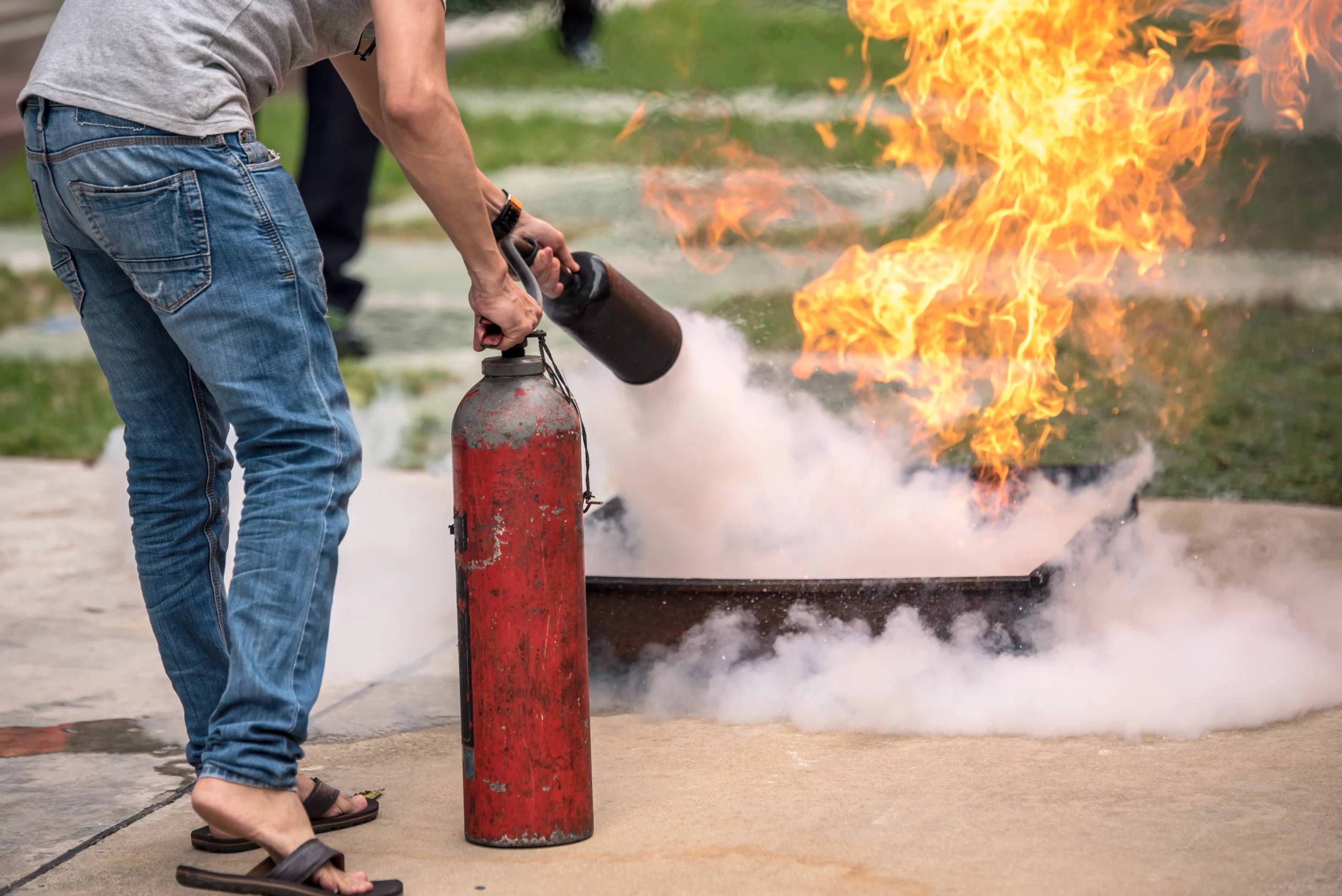
Flammable liquids behave differently in a fire than ordinary combustibles. Petrol, diesel, jet fuel, and industrial solvents float, spread quickly, and reignite even after water appears to have knocked the flames down. Standard water sprinklers cannot form a barrier over these fuels and that is exactly why Foam Fire Suppression Systems exist. By blanketing the fuel surface, foam cuts off the oxygen supply, stops flammable vapours from escaping, and cools the fuel to prevent re-ignition.
Qatar’s fast-growing industrial, energy, aviation, and logistics sectors handle exactly these kinds of flammable-liquid risks every day, which is why foam-based fire protection is now a standard requirement across refineries, fuel depots, warehouses, and parking structures throughout the country. In this guide, Filcom Fire International, one of the leading fire protection companies in Qatar, breaks down how foam fire suppression systems work, the different types available, and where they are most effective.
What Are Foam Fire Suppression Systems?
A foam fire suppression system is a fixed, semi-fixed, or portable fire protection system that discharges a mixture of water, air, and a foam concentrate over a hazard area. The result is a stable foam blanket that:
- Smothers the fire by separating fuel from oxygen
- Suppresses flammable vapours that would otherwise re-ignite
- Cools the fuel surface, reducing the chance of flashback
- Prevents fuel spread, especially useful for spill fires and bunded tank areas
Because of this combination of effects, foam systems are recognised internationally under NFPA 11, the Standard for Low-, Medium-, and High-Expansion Foam, which governs the design, installation, testing, and maintenance of foam-based fire protection.
Types of Foam Fire Suppression Systems
Foam systems are generally classified by expansion ratio — how much the foam concentrate expands once it mixes with air and water.
1. Low-Expansion Foam Systems
Low-expansion foam has an expansion ratio of up to 20:1 and is the most widely used type for flammable-liquid hazards. It forms a dense, heavy blanket that clings to the fuel surface, making it ideal for:
- Fuel storage tanks and bunded areas
- Loading and unloading bays for tankers
- Diesel generator and fuel pump rooms
2. Medium-Expansion Foam Systems
With an expansion ratio between 20:1 and 200:1, medium-expansion foam covers larger areas faster while still maintaining reasonable fuel resistance. It’s commonly applied in:
- Aircraft hangars and helipads
- Flammable liquid warehouses
- Diked areas around process equipment
3. High-Expansion Foam Systems
High-expansion foam can expand up to 1,000:1, quickly filling enclosed spaces with a lightweight foam mass. It is used for total flooding applications such as:
- Basement car parks and underground parking structures
- Cable tunnels and enclosed storage areas
- Confined spaces where rapid volume fill is needed
4. Foam-Water Sprinkler & Deluge Systems
These combine a conventional sprinkler or deluge piping network with a foam proportioning system, automatically injecting foam concentrate into the water stream once activated. They are frequently specified for high-hazard industrial risk areas that also require standard sprinkler coverage as a backup.
Key Applications of Foam Fire Suppression Systems in Qatar
Given Qatar’s position as a major energy and logistics hub, foam suppression plays a critical role across several sectors:
- Oil, gas & petrochemical facilities – tank farms, process units, and pipeline manifolds
- Airports & aviation infrastructure – hangars, fuel farms, and apron areas
- Warehousing & logistics centers – flammable liquid and chemical storage
- Power generation plants – transformer bays and generator rooms
- Parking structures – multi-level and underground car parks
- Marine & port facilities – fuel bunkering and vessel maintenance areas
Why Choose Filcom Fire for Foam Fire Suppression Systems in Qatar
As a certified fire protection service provider in Qatar, Filcom Fire International supplies, designs, and installs foam suppression systems that comply with NFPA and QCDD requirements. Our approach includes:
- Site-specific hazard assessment to determine the correct foam type and expansion ratio
- Certified product sourcing from internationally approved manufacturers, part of our wider supply and distribution network
- Engineered installation & commissioning, backed by hydraulic calculations and compliance documentation
- Ongoing testing and maintenance through our Annual Maintenance Contract (AMC) plans, ensuring foam concentrate quality and discharge readiness year-round
Foam systems are only as reliable as their upkeep — foam concentrate can degrade, proportioning equipment can drift out of calibration, and discharge nozzles can clog. Regular inspection, similar to how we manage FM-200 clean agent systems and kitchen hood suppression systems for our clients, keeps your foam system ready to perform the moment it’s needed.
Frequently Asked Questions
1. What is a foam fire suppression system used for? Foam fire suppression systems are used to fight fires involving flammable and combustible liquids, such as petrol, diesel, oil, and industrial solvents, where water alone cannot stop the fire from spreading or reigniting.
2. What are the main types of foam used in fire suppression? The main types include Aqueous Film-Forming Foam (AFFF), Alcohol-Resistant AFFF (AR-AFFF), protein-based foam, and increasingly, fluorine-free foam concentrates that meet updated environmental standards.
3. Is foam fire suppression suitable for indoor use? Yes. High-expansion foam is specifically designed for enclosed spaces such as basements, cable tunnels, and underground parking structures, where it can rapidly fill the area and starve the fire of oxygen.
4. How often should a foam fire suppression system be tested? Foam concentrate, proportioning equipment, and discharge devices should be inspected and tested regularly under NFPA 11 and QCDD guidelines — typically through an Annual Maintenance Contract that includes discharge tests and concentrate quality checks.
5. Does Filcom Fire supply and install foam suppression systems in Qatar? Yes. Filcom Fire International supplies, designs, installs, and maintains foam fire suppression systems across Qatar for industrial, commercial, and infrastructure projects, backed by QCDD-approved engineering and certified products.
Protect your facility from flammable-liquid fire risks. Contact Filcom Fire International today for a free site assessment and a structured foam fire suppression system designed for your business.
Recent Posts
Foam Fire Suppression Systems | Types, Uses & Applications in Qatar
HD Fire Foam Suppression Systems in Qatar | High-Risk Fire Protection by Filcom Fire International