Fire Protection for Warehouses and Logistics Facilities in Qatar
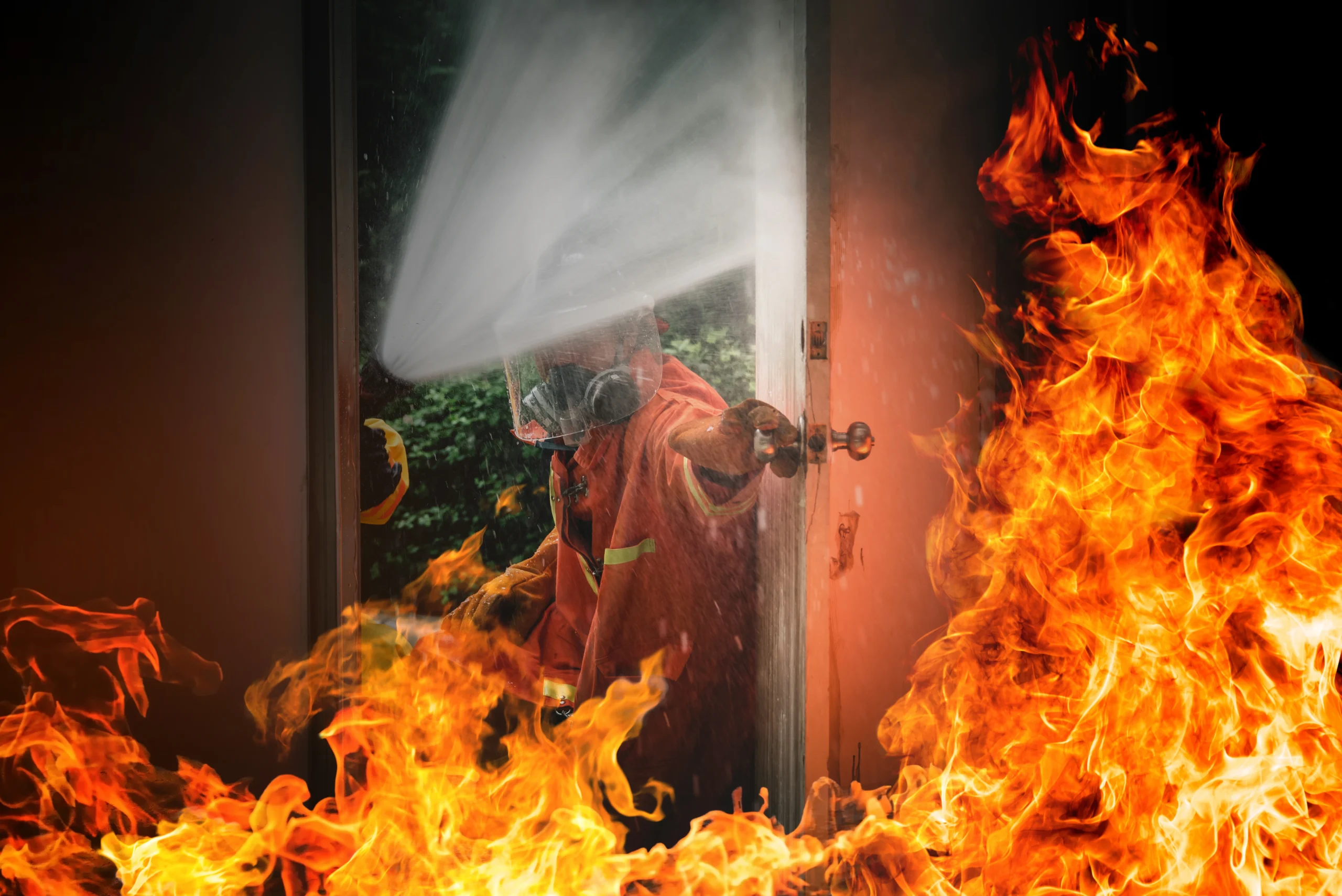
Qatar’s logistics sector is growing fast. Distribution hubs, cold stores, free zone warehouses and fulfilment centres are being built to serve rising trade and retail demand. These buildings hold dense stock, tall racking and valuable equipment, so a single fire can cause serious financial loss and long business interruption.
This guide explains the main fire risks in warehouses, the systems that protect against them, and what facility managers in Qatar should check to stay compliant. Effective fire protection for warehouses in Qatar starts with understanding how these buildings differ from offices or retail spaces.
Why Warehouses Face a Higher Fire Risk
Warehouses are designed for storage, not constant human occupancy. That makes them harder to protect:
- High-piled storage and tall racking. Fire can travel up vertical gaps between pallets and reach roof level within minutes.
- Combustible packaging. Cardboard, plastic wrap, timber pallets and foam add a lot of fuel.
- Large open floor areas. Smoke and heat spread widely, and compartments are often limited.
- Forklifts and charging areas. Battery chargers and electrical equipment are common ignition sources.
- Lithium-ion batteries. Stored electronics and e-mobility products are a growing hazard.
- Qatar’s climate. Extreme summer heat puts extra stress on cabling, panels and cooling equipment.
Key Fire Protection Systems for Warehouses
No single system suits every site. The right combination depends on what you store, how high you stack it and how the building operates.
1. Automatic Sprinkler Systems
Sprinklers are the foundation of warehouse fire protection. They control a fire in its early stage, often before the fire service arrives. For high-piled storage, designers commonly specify ESFR (Early Suppression, Fast Response) sprinklers or in-rack sprinklers, depending on storage height and commodity type.
Design usually follows recognised standards such as NFPA 13, alongside local Civil Defence requirements. For cost, requirements and layout factors, read our fire sprinkler system installation guide.
2. Fire Detection and Alarm Systems
Early detection saves critical time. Tall, open spaces often need beam detectors, aspirating smoke detection or linear heat detection instead of standard spot detectors. Addressable panels show staff exactly which zone is in alarm, so they can respond faster. See our overview of types of fire detection systems to understand which suits your building.
3. Foam and Specialist Suppression
Warehouses storing flammable liquids, chemicals or lubricants may need foam or deluge protection, because water alone cannot control liquid fires. Electrical rooms, control rooms and IT areas inside logistics sites can be protected with clean agent or aerosol systems that suppress fire without damaging equipment. Filcom is the exclusive Qatar dealer for FirePro aerosol technology.
4. Fire Pumps, Hydrants and Hose Reels
Water supply is what keeps sprinklers and hydrants working. Pumps, tanks, hydrants and hose reels must deliver the required flow and pressure at all times. A pump that fails to start in an emergency makes the entire system ineffective.
5. Portable Fire Extinguishers
Extinguishers remain essential for first response. Choose the right type for each hazard, such as ABC powder for general areas and CO₂ for electrical equipment. Place them where staff can reach them quickly, and service them on schedule.
Compliance in Qatar
Warehouse operators in Qatar must meet Qatar Civil Defence (QCDD) requirements for design, installation and inspection. Working with a QCDD-approved contractor reduces the risk of rejected drawings, failed inspections and delayed handover.
Insurers also pay close attention to warehouse protection. A well-designed and well-maintained system can support better risk ratings and give you stronger evidence of compliance during audits.
Start with a Fire Risk Assessment
Before upgrading or buying anything, find out where your real risks are. A proper assessment reviews storage arrangements, ignition sources, existing equipment and evacuation routes. Here is why every business in Qatar needs a fire risk assessment before investing in new systems.
Maintenance Keeps Your Protection Working
Installing a system is only the first step. Dust, heat, forklift impacts and changes to racking layouts can reduce performance over time. Regular inspection and testing keep every system reliable and compliant.
An Annual Maintenance Contract gives you scheduled inspections, compliance reports and priority emergency support, so problems are found before they become failures.
Practical Tips for Warehouse Managers
- Keep clear space below sprinkler heads and never block them with stock.
- Review your fire system whenever you change racking height or layout.
- Store lithium-ion batteries and flammable goods in separate, protected areas.
- Keep aisles, exits and fire panels unobstructed.
- Run regular fire drills and train staff to use extinguishers.
- Keep inspection and service records ready for audits.
Work with a Qatar Fire Protection Specialist
Filcom Fire International is a QCDD-approved contractor with over 15 years of experience in Qatar. We handle design, supply, installation, commissioning and ongoing service through our fire protection services, backed by 24/7 emergency support.
Planning a new warehouse or upgrading an existing one? Contact Filcom Fire for a free site assessment, or message us on WhatsApp at +974 3101 0120.
Frequently Asked Questions
What fire protection system is best for a warehouse in Qatar?
Most warehouses need automatic sprinklers combined with fire detection and alarm. High-piled storage may need ESFR or in-rack sprinklers, while flammable goods may need foam. A site assessment confirms the right mix for your facility.
Are sprinklers mandatory in warehouses in Qatar?
Requirements depend on building size, use and storage type, and are set by Qatar Civil Defence and the Qatar fire and life safety code. A certified contractor can confirm what applies to your warehouse.
How often should warehouse fire systems be inspected?
Systems should be inspected and tested on a regular schedule, commonly quarterly, semi-annually and annually depending on the component. An Annual Maintenance Contract helps you stay on schedule.
What causes most warehouse fires?
Common causes include electrical faults, overheated equipment, battery charging, hot work such as welding, and poor housekeeping. High temperatures in Qatar can add further stress to electrical systems.
Can fire protection be added to an existing warehouse?
Yes. Existing buildings can be retrofitted with sprinklers, detection, foam or suppression systems. The design must account for your current storage layout, water supply and Civil Defence requirements.
How much does warehouse fire protection cost in Qatar?
Cost depends on floor area, storage height, hazard class, water supply and the systems chosen. Filcom offers free site assessments so you receive a clear quote based on your facility.
How can I protect lithium-ion batteries stored in a warehouse?
Store them in a separate, well-ventilated area with suitable detection and suppression, and follow manufacturer guidance. A fire protection engineer can recommend a design suited to your stock.
Recent Posts
Fire Protection for Warehouses and Logistics Facilities in Qatar
Fire Pump Systems in Qatar | Types, NFPA 20 Requirements & Maintenance Guide