Fire Pump Systems in Qatar | Types, NFPA 20 Requirements & Maintenance Guide
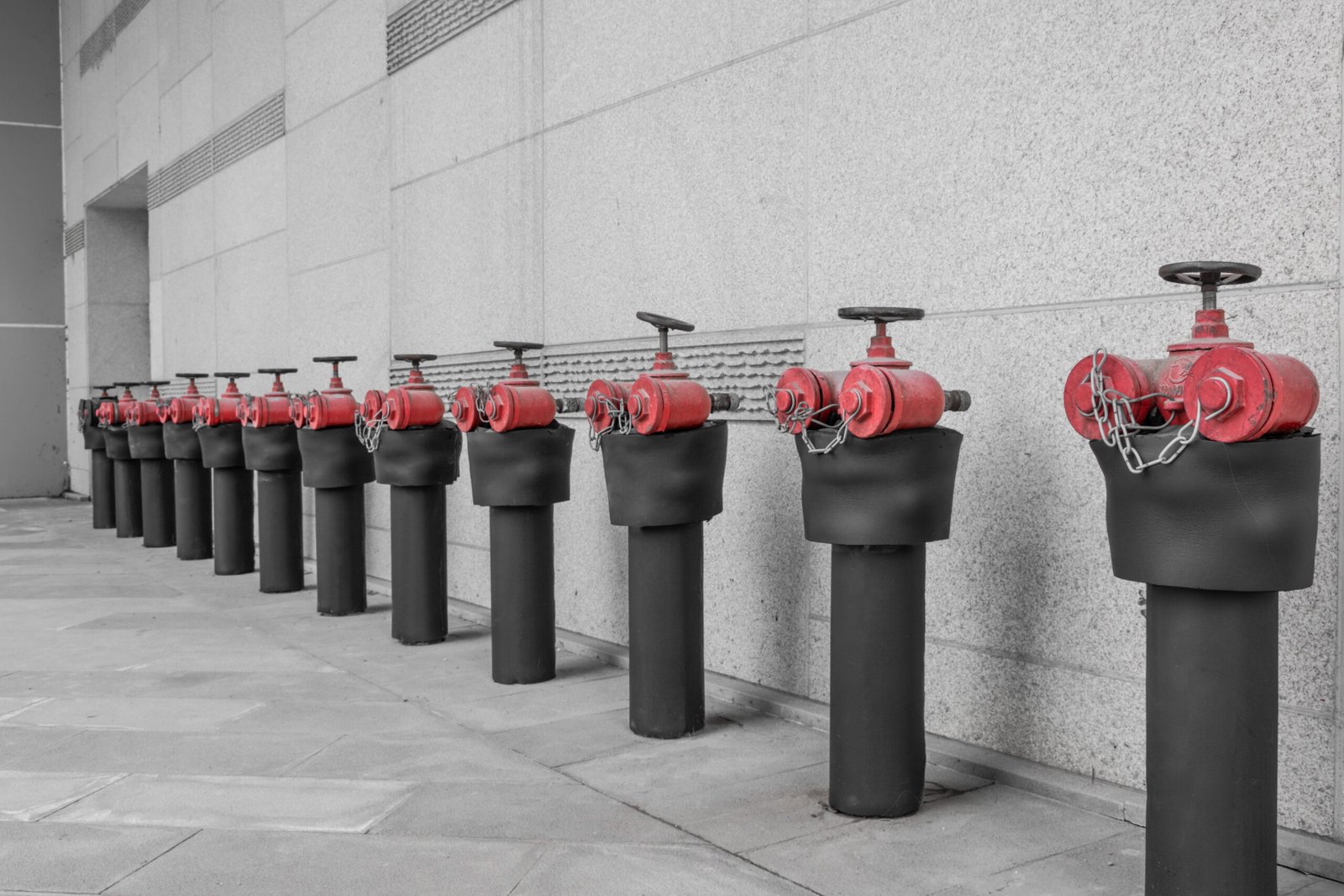
A reliable fire protection system needs more than sprinklers and alarms. The water supply must have enough pressure and flow when a fire emergency occurs. Fire pump systems in Qatar help deliver the required water to sprinklers, hydrants, hose reels and other firefighting networks when the available water supply cannot provide sufficient pressure. For commercial buildings, warehouses, industrial facilities, residential towers and other high-risk properties, selecting and maintaining the right fire pump system is an important part of fire safety planning.
Fire Pump Systems in Qatar
A fire pump is designed to increase water pressure and maintain the flow required by a fire protection network. A typical pump room may include a main electric or diesel pump, a jockey pump, controllers, valves, pressure gauges and related accessories.
The right configuration depends on the building size, hazard level, water demand, pipe network and hydraulic calculations. Professional design is important because an incorrectly sized pump may not provide the required performance during an emergency.
Common Types of Fire Pumps
Different buildings require different pump arrangements. Common options include:
- Electric fire pumps: Powered by an electrical supply and commonly used where a reliable power source is available.
- Diesel fire pumps: Provide an alternative when electrical power may be interrupted during an emergency.
- Jockey pumps: Maintain system pressure and help prevent the main fire pump from starting unnecessarily.
- End-suction pumps: Often used for suitable smaller or medium-sized applications.
- Horizontal split-case pumps: Common in larger fire protection installations where high flow capacity is required.
- Vertical turbine pumps: Suitable for applications where the water source or tank arrangement requires vertical installation.
Understanding NFPA 20 Requirements
NFPA 20 provides requirements for the selection and installation of stationary pumps used for fire protection. It covers important areas such as pump arrangement, drivers, controllers, water supplies, installation and testing.
Businesses should not treat NFPA 20 as a simple checklist. Fire pump selection should be based on the actual hydraulic demand of the connected fire protection system.
For technical reference, businesses can review the NFPA 20 standard for stationary fire pumps through the National Fire Protection Association (NFPA).
Why Proper Fire Pump Design Matters
A fire pump needs to work as part of the complete fire protection system. The pump, water tank, sprinkler network, hydrants, valves, controllers and piping should work together.
Important considerations include:
- Required flow and pressure
- Available water supply
- Pump capacity
- Building height
- Fire hazard classification
- Electrical and diesel power requirements
- Pump-room ventilation and access
- Control panel configuration
- Testing and maintenance requirements
This is why businesses should work with experienced fire protection professionals rather than selecting equipment based only on price.
Why Fire System Maintenance is Important for Every Business in Qatar
Fire protection equipment can remain unused for long periods, but it must be ready when needed. Why Fire System Maintenance is Important for Every Business in Qatar becomes clear when you consider that pumps, valves, controllers, batteries, pipes and other components can develop faults over time.
Regular maintenance helps identify problems before they affect emergency performance. It can also support compliance requirements and provide facility managers with proper inspection and service records.
What Does Fire Pump Maintenance Include?
A professional maintenance program may include:
- Visual inspection of pumps and equipment
- Checking pressure gauges and valves
- Testing electric and diesel pump operation
- Checking jockey pump performance
- Inspecting controllers and electrical connections
- Checking diesel fuel, batteries and engine components
- Testing automatic starting functions
- Checking water flow and pressure
- Inspecting pump-room conditions
- Recording test results and corrective actions
The exact maintenance schedule should follow the applicable standards, manufacturer recommendations, system design and local requirements.
Fire Pump Maintenance in Qatar’s Climate
Qatar’s hot and dusty environment makes regular inspection especially useful. Pump rooms and equipment areas should be kept clean, accessible and suitable for the installed equipment. Diesel systems require particular attention to fuel, batteries, cooling and engine condition.
A maintenance contract can make scheduled inspections easier for facility managers while helping businesses avoid unexpected system failures and last-minute compliance issues.
How Filcom Fire Helps Businesses in Qatar
Filcom Fire International provides fire protection products, engineering, installation, commissioning and maintenance services across Qatar. The company supplies electric and diesel fire pumps, jockey pumps, packaged pump sets and different pump configurations, with solutions designed around project requirements. Filcom also provides sprinklers, hydrants, hose reels, fire alarms, fire suppression systems, valves, extinguishers and related equipment.
Its service approach covers the project lifecycle, including site assessment, engineering, supply, installation, testing, commissioning, documentation, and ongoing maintenance. Filcom states that it is a QCDD-approved contractor and has completed more than 200 projects, with 24/7 emergency support and maintenance services.
For businesses looking for a leading firefighting company in Qatar, Filcom Fire International offers an end-to-end approach focused on reliable equipment, professional installation, compliance support and ongoing service. Its website also highlights annual maintenance contracts, emergency response, quarterly inspections and QCDD compliance support.
Fire Pump Systems: A Simple Comparison
| Pump Type | Typical Use | Main Benefit |
| Electric Pump | Commercial and industrial buildings | Reliable primary pumping |
| Diesel Pump | Critical facilities | Backup power option |
| Jockey Pump | Most fire pump systems | Maintains system pressure |
| Split-Case Pump | Large systems | High flow capacity |
| Vertical Turbine | Tank or special water-source applications | Suitable for specific layouts |
FAQs
1. What is the main purpose of a fire pump?
A fire pump increases water pressure and flow so connected firefighting systems can receive the water required during an emergency.
2. Are diesel and electric fire pumps both required?
Not necessarily. The appropriate arrangement depends on the project design, water demand, power availability, applicable requirements and authority approval.
3. What is a jockey pump?
A jockey pump maintains pressure in the fire protection piping system and helps prevent unnecessary starting of the main fire pump.
4. How often should fire pumps be tested?
Testing should follow the applicable fire protection standards, manufacturer instructions, system requirements and local regulations. Regular professional inspections are essential.
5. Does Filcom Fire provide fire pump maintenance?
Yes. Filcom offers scheduled maintenance, annual maintenance contracts, inspections, testing, emergency support and system servicing for fire protection installations.
6. Can Filcom help with QCDD compliance?
Yes. Filcom states that it supports design, installation, testing, documentation, certification and QCDD compliance requirements for fire protection systems.
Protect Your Business with Reliable Fire Pump Solutions
A properly selected and maintained fire pump can make a critical difference to the performance of a building’s firefighting system. From electric and diesel pumps to jockey pumps and complete packaged systems, every component should be selected according to the site’s actual requirements and maintained regularly. Businesses that need dependable fire protection solutions can work with Filcom Fire International for design, supply, installation, commissioning, maintenance and emergency support. With professional engineering, certified equipment, local service and ongoing maintenance, Leading Firefighting Company in Qatar solutions can help businesses maintain safer, more reliable and better-prepared fire protection systems.
Recent Posts
Fire Pump Systems in Qatar | Types, NFPA 20 Requirements & Maintenance Guide
Foam Fire Suppression Systems | Types, Uses & Applications in Qatar